Ocular migraine (migraine with visual aura)
Medical reviewer Mr Mohamed Mohyudin, Consultant Ophthalmic SurgeonArticle reviewed
About this review
The reviewer checked the version identified in this article’s review record.
Ocular migraine (visual aura) at a glance
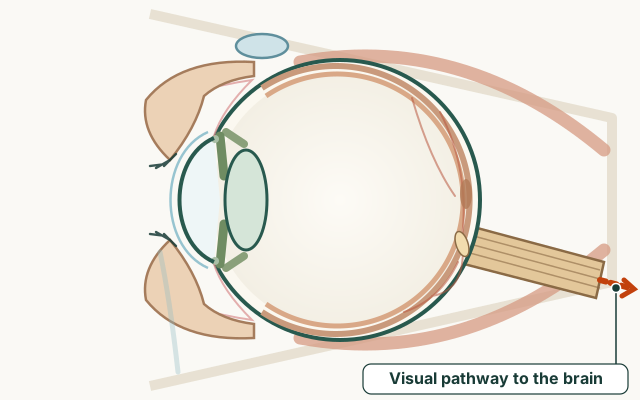
- Part of the eye
- Visual pathway to the brain
- Common signs
- Flickering or shimmering zigzag lines
- A blind spot or patch that may slowly enlarge
- Bright or coloured shapes in the vision
- Symptoms lasting up to about an hour, sometimes followed by a headache
- Condition group
- Retina and optic nerve
What is ocular migraine?
An ocular migraine is a type of migraine aura that affects your vision. It usually causes spreading visual patterns in both eyes that build up and then fade, typically over 20 to 60 minutes. It is generally harmless and the vision returns to normal afterwards.
Symptoms of ocular migraine
Visual symptoms usually develop gradually and then settle.
- Flickering or shimmering zigzag lines
- A blind spot or patch that may slowly enlarge
- Bright or coloured shapes in the vision
- Symptoms lasting up to about an hour, sometimes followed by a headache
Causes and triggers of ocular migraine
Ocular migraine is caused by temporary changes in the brain's visual pathways. Common triggers include stress, tiredness, missed meals, dehydration, certain foods, bright lights, and hormonal changes.
When to seek urgent care and management
Seek urgent assessment if you have sudden lasting vision loss, especially in one eye, vision changes that do not fully recover, or symptoms alongside weakness, numbness, slurred speech, or a different, severe headache, as these can signal a more serious problem. Otherwise, managing triggers and following migraine treatment advice usually helps.
Frequently asked questions
Is an ocular migraine dangerous?
Migraine visual aura is usually harmless and settles within an hour. However, sudden lasting vision loss, especially in one eye, or symptoms with weakness or speech changes, need urgent assessment.
How long does an ocular migraine last?
The visual disturbance usually lasts up to about an hour and then fades, sometimes followed by a headache. Vision typically returns to normal afterwards.
What triggers ocular migraines?
Common triggers include stress, tiredness, missed meals, dehydration, certain foods, bright lights, and hormonal changes. Keeping a diary can help you identify yours.
Sources for this information
These references support the information on this page. Follow the linked source for its full context.