Optic neuritis
Medical reviewer Mr Mohamed Mohyudin, Consultant Ophthalmic SurgeonArticle reviewed
About this review
The reviewer checked the version identified in this article’s review record.
Optic neuritis at a glance
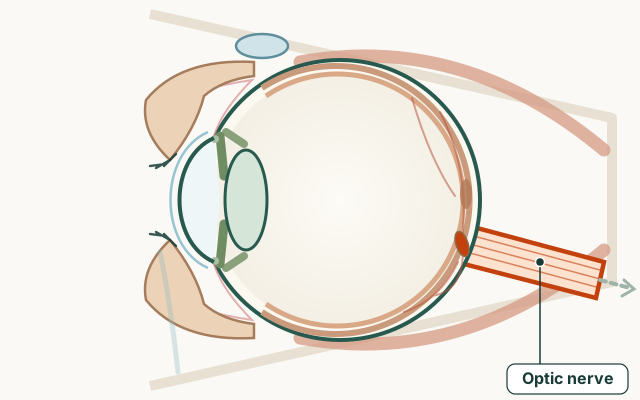
- Part of the eye
- Optic nerve
- Common signs
- Blurred, dim or lost vision in one eye
- Pain behind or around the eye, worse when moving the eye
- Reduced colour vision, with colours looking washed out
- A central blind spot or patchy vision in some cases
- Condition group
- Retina and optic nerve
- Medical code (ICD-10)
H46
What is optic neuritis?
Optic neuritis is inflammation of the optic nerve, the cable that carries visual signals from the eye to the brain. It usually affects one eye and develops over hours to days, causing the vision in that eye to become blurred, dim or partly lost.
Symptoms of optic neuritis
Symptoms often come on fairly quickly over a few days.
- Blurred, dim or lost vision in one eye
- Pain behind or around the eye, worse when moving the eye
- Reduced colour vision, with colours looking washed out
- A central blind spot or patchy vision in some cases
Causes and links
It is often autoimmune, where the body's defences mistakenly attack the optic nerve. It is commonly associated with multiple sclerosis, though it can also follow infection or occur on its own. A first episode needs investigation to understand the cause and risk of recurrence.
Treatment and outlook for optic neuritis
Many people recover useful vision over weeks to months, even without treatment, but urgent assessment is still needed. Treatment may include steroid medicines to speed recovery, and follow-up to check for conditions such as multiple sclerosis. Sudden vision loss in one eye should never be ignored.
Practical guides
Frequently asked questions
Is optic neuritis an emergency?
Sudden blurred or lost vision in one eye, especially with pain on eye movement, needs urgent assessment. While many people recover vision, prompt care helps protect sight and find the cause.
Is optic neuritis linked to multiple sclerosis?
Often yes. Optic neuritis is a common early sign of multiple sclerosis, though it can also occur without MS. Investigation after a first episode helps clarify the risk.
Does vision come back after optic neuritis?
Most people recover useful vision over weeks to months, though some colour vision or contrast sensitivity may remain reduced. Early assessment and treatment can support recovery.
Sources for this information
These references support the information on this page. Follow the linked source for its full context.