Chemical eye injury (chemical splash in the eye)
Medical reviewer Mr Mohamed Mohyudin, Consultant Ophthalmic SurgeonArticle reviewed
About this review
The reviewer checked the version identified in this article’s review record.
Chemical eye injury at a glance
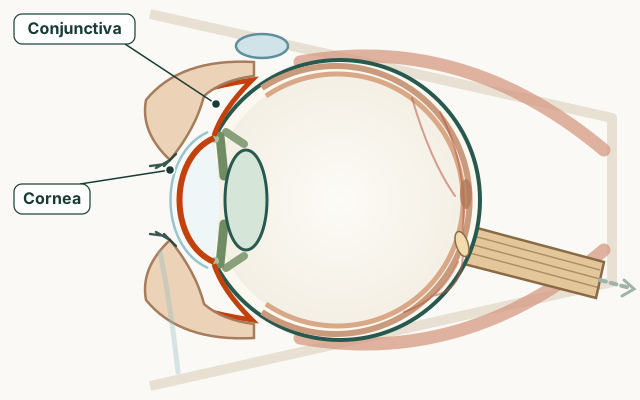
- Part of the eye
- Cornea and conjunctiva
- Condition group
- Cornea and front of eye
- Medical code (ICD-10)
T26
Why it is an emergency
Chemicals can rapidly burn the surface of the eye and penetrate deeper tissues. Alkali substances are often more damaging than acids because they continue to burn. Every minute counts, and flushing before transport is critical.
What to do immediately
Start flushing at once, even before calling for help.
- Flush with clean running water or saline for at least 15 to 20 minutes
- Hold the eyelids open and roll the eye so fluid washes all surfaces
- Remove contact lenses if they come out easily during flushing
- Go to emergency eye care immediately after flushing
What causes a chemical eye injury?
Household bleach, cleaning products, plaster or cement dust, battery fluid, industrial chemicals, and some garden products are frequent causes at home and work. Wear eye protection when handling chemicals.
Hospital treatment
Hospital staff continue flushing, check the pH of the eye surface, and give treatment to reduce inflammation and infection risk. Severe burns may need surgery. Never use vinegar or neutralising agents at home unless directed by emergency services.
Frequently asked questions
How long should I rinse a chemical eye splash?
Flush for at least 15 to 20 minutes with clean water or saline, keeping the eyelids open, then seek emergency hospital care immediately.
Are alkali or acid eye burns worse?
Both are emergencies, but alkali chemicals such as bleach often penetrate and damage the eye more deeply. Immediate and prolonged flushing is essential for any chemical splash.
Should I remove contact lenses after a chemical splash?
Yes, if they come out easily during flushing. Do not delay flushing to remove lenses; start rinsing immediately.
Sources for this information
These references support the information on this page. Follow the linked source for its full context.