Herpes simplex keratitis (cold sore in the eye)
Medical reviewer Mr Mohamed Mohyudin, Consultant Ophthalmic SurgeonArticle reviewed
About this review
The reviewer checked the version identified in this article’s review record.
Herpes eye infection at a glance
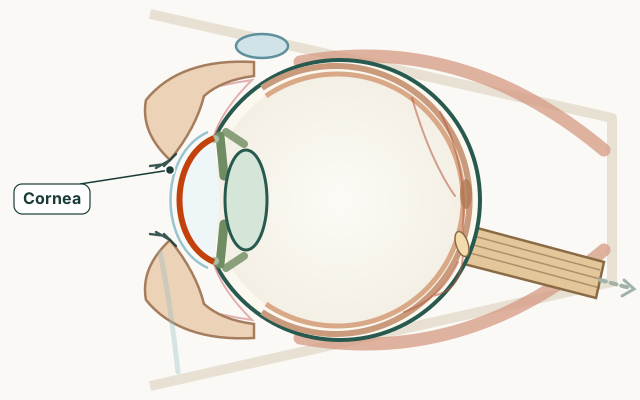
- Part of the eye
- Cornea
- Common signs
- Painful red eye with watering
- Blurred vision and light sensitivity
- A feeling of something in the eye
- Sometimes a branching ulcer visible on the cornea
- Condition group
- Cornea and front of eye
- Medical code (ICD-10)
B00.5
What is a herpes eye infection (herpes simplex keratitis)?
The same herpes virus that causes cold sores on the lip can infect the cornea, the clear front of the eye. This is one of the most common causes of corneal infection and can leave scars that affect vision if not treated promptly.
Symptoms of a herpes eye infection
Symptoms usually affect one eye and may follow a cold sore or stress.
- Painful red eye with watering
- Blurred vision and light sensitivity
- A feeling of something in the eye
- Sometimes a branching ulcer visible on the cornea
Causes and recurrence
After a first infection, the virus can remain in the body and reactivate during stress, illness, sunlight or lowered immunity. Repeat episodes can cause cumulative scarring, so long-term preventive treatment is sometimes used.
How is a herpes eye infection treated?
Antiviral eye drops or tablets are the main treatment and should be started promptly. Steroid drops are only used under close supervision once infection is controlled, as they can worsen herpes if used incorrectly.
Frequently asked questions
Can a cold sore spread to the eye?
Yes. The cold-sore virus (HSV-1) can infect the cornea, causing a painful red eye with blurred vision. Wash hands after touching a cold sore and seek prompt care if the eye becomes red and painful.
Is herpes eye infection contagious?
It is not spread like conjunctivitis, but the virus can be present in tears during active infection. Good hygiene and avoiding sharing towels help reduce spread.
Can herpes keratitis cause permanent vision loss?
Treated early, most episodes heal well. Delay or repeated scarring can permanently affect vision, which is why prompt antiviral treatment matters.
Sources for this information
These references support the information on this page. Follow the linked source for its full context.