Stye (hordeolum)
Medical reviewer Mr Mohamed Mohyudin, Consultant Ophthalmic SurgeonArticle reviewed
About this review
The reviewer checked the version identified in this article’s review record.
Stye at a glance
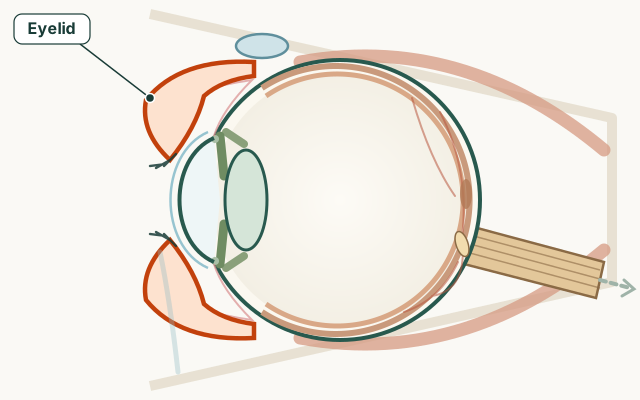
- Part of the eye
- Eyelid
- Common signs
- Tender red lump on the lid margin or under the skin
- Pain when blinking or touching the lid
- Watering and mild grittiness
- Sometimes a yellow spot at the lash root
- Condition group
- Eyelid conditions
- Medical code (ICD-10)
H00.0
What is a stye?
A stye is a localised infection or intense inflammation at the edge of the eyelid. An external stye points at the lash line and often has a visible yellow head. An internal stye forms under the lid skin from a meibomian gland and may feel deeper and more painful.
Symptoms of a stye
Styes usually affect one eye.
- Tender red lump on the lid margin or under the skin
- Pain when blinking or touching the lid
- Watering and mild grittiness
- Sometimes a yellow spot at the lash root
- Occasional swelling of the whole eyelid
Stye versus chalazion
A stye is usually painful and acute. A chalazion is a painless firm lump from a blocked oil gland without active infection — it develops more slowly and may last weeks. Warm compresses help both, but chalazia sometimes need steroid injection or minor surgery if they block vision or persist.
How is a stye treated?
Do not squeeze or pierce a stye yourself — that can spread infection.
- Warm compress 4–6 times daily for 10 minutes
- Gentle lid massage after warming if advised
- Clean crusts at the lash line if blepharitis is present
- Paracetamol or ibuprofen for pain if suitable for you
- Antibiotic ointment or tablets if prescribed for spreading infection
Can a stye be prevented?
Recurrent styes often link to blepharitis or MGD. Daily lid hygiene, replacing old eye makeup, washing hands before touching eyes, and careful contact-lens hygiene reduce recurrence. Manage diabetes and rosacea if present.
When to get medical advice about a stye
Same-day assessment if the entire eyelid is very swollen and hot, vision is blurred, you cannot open the eye, you feel unwell with fever, or you wear contact lenses. Urgent care if redness spreads to the cheek (possible orbital cellulitis).
Frequently asked questions
How long does a stye last?
Most external styes improve within 7–14 days with warm compresses. Internal styes may take longer. See a clinician if there is no improvement after two weeks.
Can I pop a stye?
No. Squeezing can spread infection into deeper lid tissues or the orbit. Let it drain naturally or have a clinician incise it if needed.
Do I need antibiotic drops for a stye?
Many styes settle without antibiotics. They may be prescribed if infection spreads, you have cellulitis of the lid, or you are at higher risk.
Why do I keep getting styes?
Recurrence often points to blepharitis, poor lid hygiene, outdated makeup, or contact-lens contamination. Treating underlying blepharitis is key.
Is a stye contagious?
It is not spread like viral pink eye, but hand hygiene matters because bacteria on fingers can worsen infection or trigger new styes.
Sources for this information
These references support the information on this page. Follow the linked source for its full context.