Meibomian gland dysfunction (MGD)
Medical reviewer Mr Mohamed Mohyudin, Consultant Ophthalmic SurgeonArticle reviewed
About this review
The reviewer checked the version identified in this article’s review record.
Meibomian gland dysfunction at a glance
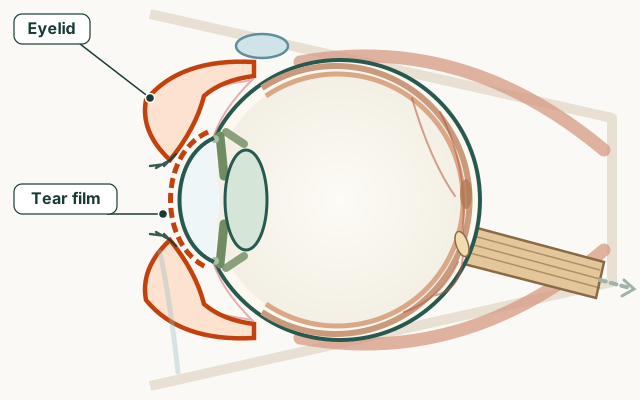
- Part of the eye
- Eyelid and tear film
- Common signs
- Gritty, burning or stinging eyes
- Red or crusty eyelid margins
- Watery eyes from reflex tearing
- Blurred vision that clears when you blink
- Treatment options
- Condition group
- Eyelid conditions
What is meibomian gland dysfunction?
Meibomian glands sit in the eyelids and release an oily layer that slows tear evaporation. In MGD these glands become blocked, inflamed or produce poor-quality oil. The tear film breaks up quickly, leaving the eye surface dry and irritated. MGD is one of the most common causes of dry eye disease and often occurs with blepharitis.
Symptoms of meibomian gland dysfunction
Symptoms tend to build gradually and may feel worse with screens, air conditioning or contact lenses.
- Gritty, burning or stinging eyes
- Red or crusty eyelid margins
- Watery eyes from reflex tearing
- Blurred vision that clears when you blink
- Discomfort on waking or after long screen use
What causes meibomian gland dysfunction, and who is at risk?
Ageing, long screen time with reduced blinking, rosacea, contact lens wear, hormonal changes and some skin conditions increase risk. Previous styes or chalazia suggest the glands may already be inflamed. MGD and blepharitis often overlap, so treating the eyelids helps both.
Treatment and self-care for meibomian gland dysfunction
Daily warm compresses for several minutes soften blocked oil and improve flow. Gentle lid massage and cleaning remove crusts and bacteria. Preservative-free lubricating drops add comfort between compresses. If symptoms persist, an eye-care professional may recommend in-clinic gland expression, anti-inflammatory drops, oral antibiotics for rosacea-linked disease, or other tailored treatments.
Practical guides
Treatments & Surgery
Frequently asked questions
Is MGD the same as dry eye?
MGD is a leading cause of dry eye, but not every dry eye case is MGD. An eye examination can show whether the oil glands are blocked or under-producing.
How long do warm compresses take to work?
Many people notice improvement after two to four weeks of daily compresses and lid hygiene, though long-standing MGD may need longer or clinic treatment.
Can MGD be cured?
MGD is usually managed rather than permanently cured. Regular lid care often keeps symptoms under good control, similar to other long-term eyelid conditions.
Sources for this information
These references support the information on this page. Follow the linked source for its full context.