Pterygium (surfer's eye)
Medical reviewer Mr Mohamed Mohyudin, Consultant Ophthalmic SurgeonArticle reviewed
About this review
The reviewer checked the version identified in this article’s review record.
Pterygium at a glance
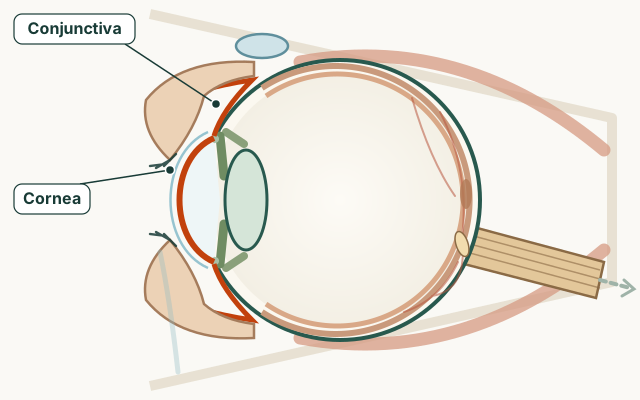
- Part of the eye
- Conjunctiva and cornea
- Common signs
- A raised, fleshy, pink growth on the white of the eye
- Redness and irritation
- A dry, gritty or foreign-body feeling
- Blurred vision if it grows onto the cornea
- Condition group
- Cornea and front of eye
- Medical code (ICD-10)
H11.0
What is a pterygium?
A pterygium is a wedge-shaped growth of tissue on the conjunctiva, the clear surface of the eye, usually on the side nearest the nose. It can slowly grow towards or onto the cornea. It is not cancer and is usually harmless, but a large one can affect vision.
Symptoms of a pterygium
Many pterygia cause few symptoms beyond their appearance.
- A raised, fleshy, pink growth on the white of the eye
- Redness and irritation
- A dry, gritty or foreign-body feeling
- Blurred vision if it grows onto the cornea
What causes a pterygium, and who is at risk?
A pterygium is strongly linked to long-term exposure to ultraviolet (UV) light from the sun, as well as wind, dust and dry conditions. It is more common in people who spend a lot of time outdoors and in sunny climates.
How is a pterygium treated?
Many pterygia need no treatment beyond lubricating drops for irritation and good sun protection with wraparound sunglasses and a hat. Surgery to remove it may be considered if it grows towards the centre of the cornea, threatens vision, or causes persistent discomfort.
Frequently asked questions
Is a pterygium dangerous?
A pterygium is usually harmless and is not cancer. It only needs treatment if it grows towards the centre of the cornea, affects vision, or causes ongoing discomfort.
Can I prevent a pterygium?
Protecting your eyes from UV light with wraparound sunglasses and a wide-brimmed hat, and using lubricating drops in dusty or windy conditions, can reduce the risk and slow growth.
Does a pterygium come back after surgery?
A pterygium can sometimes return after removal. Good sun protection afterwards helps reduce the chance of it growing back.
Sources for this information
These references support the information on this page. Follow the linked source for its full context.