Uveitis
Medical reviewer Mr Mohamed Mohyudin, Consultant Ophthalmic SurgeonArticle reviewed
About this review
The reviewer checked the version identified in this article’s review record.
Uveitis at a glance
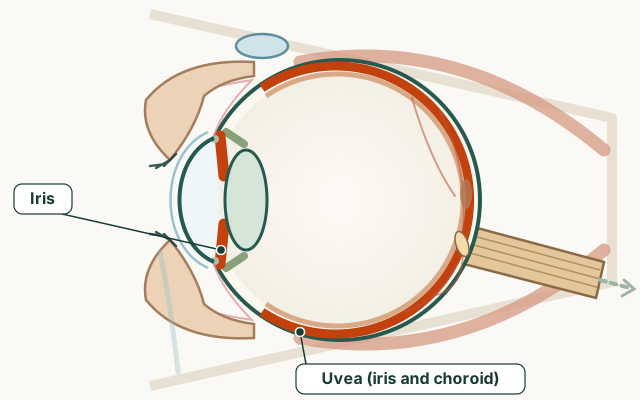
- Part of the eye
- Uvea (iris and choroid) and iris
- Common signs
- Eye pain and redness
- Sensitivity to light
- Blurred or cloudy vision
- Floaters or a small, irregular pupil
- Condition group
- Retina and optic nerve
What is uveitis?
Uveitis is inflammation of the uvea, the middle layer of the eye that includes the iris. It can come on suddenly or develop gradually, and because it can affect vision if untreated, it should be assessed quickly by an eye specialist.
Symptoms of uveitis
Symptoms can affect one or both eyes.
- Eye pain and redness
- Sensitivity to light
- Blurred or cloudy vision
- Floaters or a small, irregular pupil
What causes uveitis, and who is at risk?
Uveitis is often linked to autoimmune or inflammatory conditions, and sometimes to infections or eye injury. In many cases no specific cause is found. It can affect people of any age.
How is uveitis treated?
Uveitis is usually treated by an eye specialist with steroid eye drops or other anti-inflammatory treatment to settle the inflammation and prevent complications. Prompt treatment and follow-up are important, and any underlying condition may also need managing. Seek urgent advice for a painful red eye with light sensitivity or blurred vision.
Practical guides
Frequently asked questions
Is uveitis serious?
Uveitis needs prompt attention because, if untreated, the inflammation can lead to complications that affect vision. With timely treatment, most people do well.
What does uveitis feel like?
It often causes a painful, red eye with sensitivity to light and blurred vision. These symptoms warrant a prompt eye assessment.
Does uveitis come back?
Uveitis can recur, especially when linked to an underlying inflammatory condition, so follow-up with an eye specialist is important.
Sources for this information
These references support the information on this page. Follow the linked source for its full context.