Episcleritis
Medical reviewer Mr Mohamed Mohyudin, Consultant Ophthalmic SurgeonArticle reviewed
About this review
The reviewer checked the version identified in this article’s review record.
Episcleritis at a glance
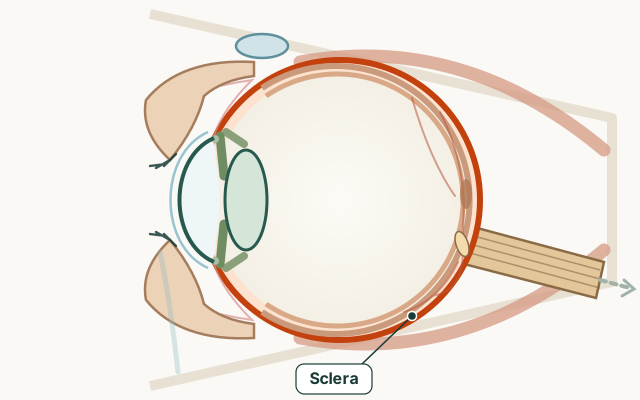
- Part of the eye
- Sclera
- Common signs
- A localised red patch on the white of the eye
- Mild discomfort, grittiness or watering
- Usually no severe pain or vision loss
- May recur in episodes
- Condition group
- Cornea and front of eye
- Medical code (ICD-10)
H15.1
What is episcleritis?
Episcleritis affects the episclera, a thin layer above the white wall of the eye. It is much more common and less serious than scleritis, which affects deeper tissues and causes severe pain.
Symptoms of episcleritis
Symptoms are usually mild and may affect one or both eyes.
- A localised red patch on the white of the eye
- Mild discomfort, grittiness or watering
- Usually no severe pain or vision loss
- May recur in episodes
What causes episcleritis?
Often no cause is found. It can be linked to dry eye, mild infection, or autoimmune conditions, and sometimes occurs in people who also get gout or inflammatory bowel disease.
How is episcleritis treated?
Many cases need only lubricating drops and time. If symptoms persist or recur, a clinician may advise anti-inflammatory drops. A painful, deep red eye with marked pain should be assessed urgently to rule out scleritis.
Frequently asked questions
What is the difference between episcleritis and scleritis?
Episcleritis is mild, often painless surface redness that usually settles on its own. Scleritis is deeper, much more painful, and can threaten vision, needing prompt treatment.
Does episcleritis need treatment?
Many cases settle within one to two weeks with lubricating drops alone. Persistent or recurrent episodes may need anti-inflammatory drops after assessment.
Can episcleritis come back?
Yes, it can recur in episodes. If redness keeps returning or becomes painful, see a clinician to confirm the diagnosis and check for underlying causes.
Sources for this information
These references support the information on this page. Follow the linked source for its full context.