Bacterial conjunctivitis
Medical reviewer Mr Mohamed Mohyudin, Consultant Ophthalmic SurgeonArticle reviewed
About this review
The reviewer checked the version identified in this article’s review record.
Bacterial conjunctivitis at a glance
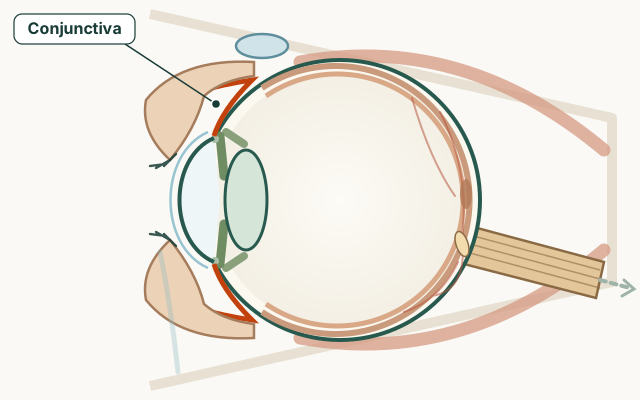
- Part of the eye
- Conjunctiva
- Common signs
- Thick yellow-green pus, especially on waking
- Eyelids stuck together in the morning
- Red, gritty eye — may start one side then both
- Mild discomfort rather than severe pain in simple cases
- Condition group
- Cornea and front of eye
- Medical code (ICD-10)
H10.0
What is bacterial conjunctivitis?
Bacterial conjunctivitis is infection or heavy bacterial overgrowth on the clear surface of the eye. Common bacteria include Staphylococcus and Streptococcus species. It is contagious through hand-to-eye contact and shared towels.
Symptoms of bacterial conjunctivitis
Discharge texture helps distinguish bacterial from viral or allergic causes.
- Thick yellow-green pus, especially on waking
- Eyelids stuck together in the morning
- Red, gritty eye — may start one side then both
- Mild discomfort rather than severe pain in simple cases
- No dominant itch (unlike allergy)
Who needs prompt assessment
Most adults can be assessed within a day or two, but same-day care is important for:
- Newborns or infants under 4 weeks with red or sticky eyes
- Contact-lens wearers — remove lenses and seek advice the same day
- Moderate to severe eye pain or light sensitivity
- Reduced vision or a pupil that looks abnormal
- Redness after eye injury or surgery
How is bacterial conjunctivitis treated?
Hygiene reduces spread: wash hands, avoid sharing towels, discard used tissues, and stop contact lenses until cleared. Antibiotic drops or ointment are often prescribed for 5–7 days — finish the course unless advised otherwise. Lubricating drops can wash away discharge between doses. Read the antibiotic eye drops guide for technique.
School, work and contagion
You are usually most contagious while the eye is actively red and discharging. Many schools and workplaces accept return once antibiotic treatment has started and discharge is improving — follow local public-health guidance. Viral conjunctivitis is often more contagious for longer; bacterial disease typically improves faster with treatment.
When bacterial conjunctivitis needs urgent care
Emergency assessment for severe pain, marked light sensitivity, halos, nausea, or reduced vision — these suggest corneal ulcer, glaucoma or deeper infection, not simple conjunctivitis.
Practical guides
Frequently asked questions
Do bacterial conjunctivitis need antibiotic drops?
Many mild cases in adults can settle without antibiotics, but sticky purulent discharge often warrants prescribed drops after clinical assessment, especially in children, contact-lens wearers or prolonged symptoms.
How is bacterial different from viral pink eye?
Bacterial: thicker yellow-green discharge, lids glued shut. Viral: more watery discharge, often after a cold, very contagious. Allergic: intense itch in both eyes with hay-fever symptoms.
Can I wear contact lenses with bacterial conjunctivitis?
No. Remove lenses immediately and do not rewear them until an eye professional confirms it is safe — infection can involve the cornea.
How long is bacterial pink eye contagious?
Usually less once antibiotic drops have been used for 24–48 hours and discharge is improving, but follow local guidance and good hygiene until the eye is no longer red.
Why is red eye in a newborn urgent?
Neonatal conjunctivitis can be caused by serious infections acquired at birth and needs same-day specialist treatment to protect sight and health.
Sources for this information
These references support the information on this page. Follow the linked source for its full context.