Eye allergies (allergic conjunctivitis)
Medical reviewer Mr Mohamed Mohyudin, Consultant Ophthalmic SurgeonArticle reviewed
About this review
The reviewer checked the version identified in this article’s review record.
Eye allergies at a glance
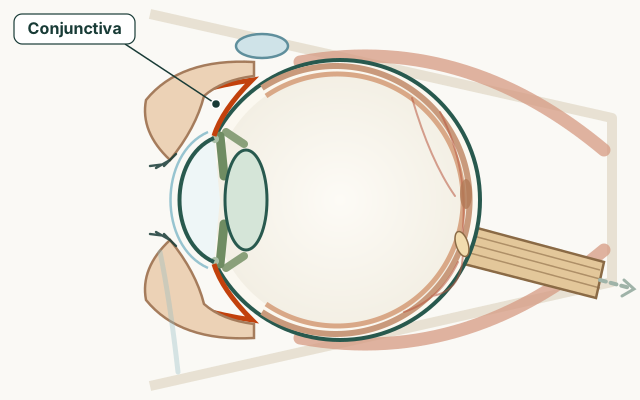
- Part of the eye
- Conjunctiva
- Common signs
- Intense itchiness and urge to rub
- Red, watery eyes and puffy eyelids
- Burning or mild grittiness
- Stringy white mucus, especially after rubbing
- Condition group
- Cornea and front of eye
What are eye allergies (allergic conjunctivitis)?
Allergic conjunctivitis is inflammation of the eye surface driven by histamine release after allergen exposure. Unlike viral or bacterial pink eye it is not contagious. Seasonal allergic conjunctivitis follows pollen calendars; perennial allergic conjunctivitis persists with indoor allergens.
Symptoms of eye allergies
Allergy almost always affects both eyes and itching is the standout symptom.
- Intense itchiness and urge to rub
- Red, watery eyes and puffy eyelids
- Burning or mild grittiness
- Stringy white mucus, especially after rubbing
- Sneezing, runny nose or itchy nose in seasonal allergy
Seasonal triggers
Tree pollen often peaks in early spring, grass pollen in late spring and summer, and weed pollen in late summer and autumn — exact timing varies by region. Dry, windy days increase pollen load. Keeping windows closed, showering after outdoor time, and wearing wraparound sunglasses outdoors reduce exposure.
Treatment and self-care for eye allergies
Avoid rubbing, which worsens inflammation. Cold compresses soothe itch. Over-the-counter antihistamine eye drops give quick relief; mast-cell stabilisers (used regularly before season starts) reduce future reactions. Oral antihistamines help nose symptoms too. Artificial tears wash allergens away. Persistent or corneal-threatening allergy needs specialist drops or short courses of supervised steroid treatment.
Allergy versus infection
Allergy: both eyes, dominant itch, watery discharge, hay-fever symptoms. Viral pink eye: often follows a cold, watery then settles. Bacterial: stickier yellow-green discharge, may start one eye. Pain, light sensitivity or vision change are not typical of simple allergy — seek assessment.
Practical guides
Frequently asked questions
Why are my eyes itchier in spring?
Pollen from trees and grass peaks in many regions in spring and early summer, driving seasonal allergic conjunctivitis — one of the most searched eye symptoms online.
What is the best eye drop for allergic eyes?
Antihistamine drops relieve itch quickly. Mast-cell stabilisers work best when started before pollen season and used regularly. A clinician can advise combined drops if over-the-counter options are not enough.
Are eye allergies contagious?
No. They are an immune reaction to allergens such as pollen or dust, not an infection spread between people.
Can contact lenses worsen eye allergies?
Yes. Allergens can stick to lenses and rubbing itchy eyes raises infection risk. Daily disposable lenses or glasses during peak pollen may help; stop lens wear if eyes are very red or painful.
When should allergic eyes be seen urgently?
Seek care for significant pain, light sensitivity, reduced vision, or a single very red painful eye — these suggest infection or inflammation, not simple allergy.
Sources for this information
These references support the information on this page. Follow the linked source for its full context.