Diabetic macular oedema (DME)
Medical reviewer Mr Mohamed Mohyudin, Consultant Ophthalmic SurgeonArticle reviewed
About this review
The reviewer checked the version identified in this article’s review record.
Diabetic macular oedema at a glance
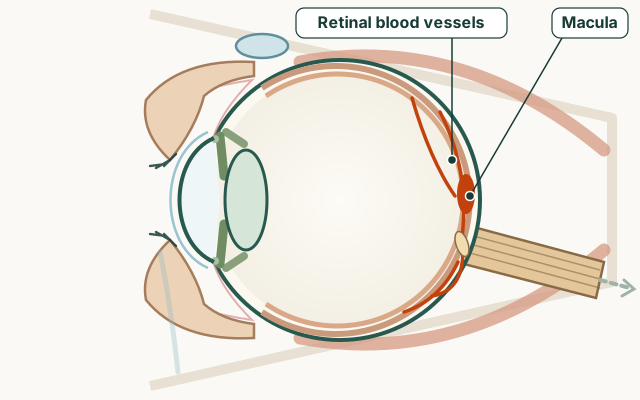
- Part of the eye
- Macula and retinal blood vessels
- Common signs
- Blurred or less sharp central vision for reading or screens
- Straight lines looking wavy or distorted
- Difficulty recognising faces or fine detail
- Colours seeming washed out at the centre of vision
- Treatment options
- Condition group
- Retina and optic nerve
What is diabetic macular oedema?
The macula gives sharp central vision. In DME, damaged retinal blood vessels from diabetes let fluid leak into the macula, making it thicken and swell. DME is a common cause of vision loss in people with diabetic retinopathy and can happen at any stage of diabetes, not only in advanced disease.
How it differs from diabetic retinopathy
Diabetic retinopathy describes blood-vessel damage across the retina. DME is a specific complication when that damage causes macular swelling that threatens central sight. You can have DME with mild background retinopathy, or alongside proliferative disease. Screening photos and OCT scans detect macular swelling before you notice blur.
Symptoms of diabetic macular oedema
Early DME may cause no symptoms, which is why screening matters. When vision is affected, people often notice:
- Blurred or less sharp central vision for reading or screens
- Straight lines looking wavy or distorted
- Difficulty recognising faces or fine detail
- Colours seeming washed out at the centre of vision
- Vision that fluctuates with blood sugar changes
How is diabetic macular oedema diagnosed and monitored?
Diabetic retinal screening programmes photograph the retina and may use optical coherence tomography (OCT) to measure macular thickness. If DME is suspected, hospital eye specialists confirm the diagnosis, check both eyes, and grade severity. Regular follow-up continues even after treatment, because DME can recur.
How is diabetic macular oedema treated?
Good diabetes control — blood sugar, blood pressure and cholesterol — is the foundation. Specific eye treatments include anti-VEGF injections into the eye to reduce leakage, laser to the macula in selected cases, and steroid implants or vitrectomy surgery when needed. Treatment plans are individual; early macular swelling often responds better than long-standing oedema.
When to get medical advice about diabetic macular oedema
Attend every diabetic eye screening appointment even when sight feels normal. Seek prompt assessment for new blur, distortion or central vision change, or if screening is overdue. Sudden vision loss still needs same-day emergency care.
Practical guides
Treatments & Surgery
Frequently asked questions
Is diabetic macular oedema the same as diabetic retinopathy?
DME is a complication of diabetic retinopathy when fluid swells the macula. Many people with retinopathy do not develop DME, but anyone with diabetes should attend screening because both can progress silently.
Can DME be reversed?
Treatment often reduces swelling and improves or stabilises vision, especially when started early. The goal is to protect central sight; outcomes depend on how long swelling has been present and how well diabetes is controlled.
How is DME treated?
Anti-VEGF injections are commonly used first line. Laser, steroid implants or surgery may be added depending on response, eye structure and individual factors. Your specialist will explain the schedule and benefits versus risks.
Does DME always cause symptoms?
No. Macular swelling can build before you notice blur, which is why photographic diabetic eye screening is recommended even when vision seems fine.
How often should people with diabetes have retina checks?
Follow national screening intervals where they exist — often yearly once diabetic retinopathy is present, and sometimes more often if DME is active or being treated. Your diabetes and eye teams coordinate timing.
Sources for this information
These references support the information on this page. Follow the linked source for its full context.