Retinoblastoma
Medical reviewer Mr Mohamed Mohyudin, Consultant Ophthalmic SurgeonArticle reviewed
About this review
The reviewer checked the version identified in this article’s review record.
Retinoblastoma at a glance
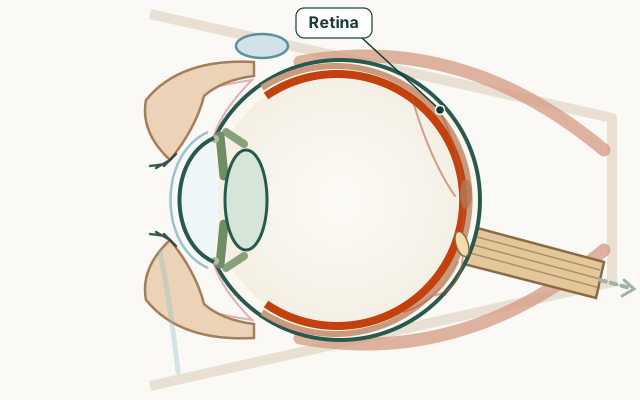
- Part of the eye
- Retina
- Common signs
- A white pupil reflex (leukocoria) in flash photos or in dim light — sometimes described as a 'cat's eye' glow
- A new squint or the eyes not lining up
- Redness, swelling or pain that does not settle
- A change in vision or the child not tracking objects as before
- Condition group
- Children's eye conditions
- Medical code (ICD-10)
C69.2
What is retinoblastoma?
Retinoblastoma is a tumour that develops in the light-sensitive retina at the back of the eye. It almost always affects children, usually before age five. It can occur in one or both eyes and may be inherited or appear without a family history. Because the eye is small and symptoms can be subtle, parents and clinicians must take warning signs seriously.
Warning signs of retinoblastoma
Some signs are easy to miss. Seek urgent paediatric or eye specialist advice if you notice:
- A white pupil reflex (leukocoria) in flash photos or in dim light — sometimes described as a 'cat's eye' glow
- A new squint or the eyes not lining up
- Redness, swelling or pain that does not settle
- A change in vision or the child not tracking objects as before
- A difference in pupil size or colour between the eyes
How is retinoblastoma diagnosed and treated?
Specialists examine the eyes under anaesthetic, use imaging such as ultrasound or MRI, and may arrange genetic testing. Treatment depends on tumour size and whether one or both eyes are affected. Options can include laser therapy, chemotherapy, radiotherapy, or in some cases removal of the eye to protect the child's life. Lifelong follow-up is usually needed.
Support for families
A retinoblastoma diagnosis is frightening, but outcomes have improved greatly with modern care. Teams include paediatric oncologists, ophthalmologists and support workers. Ask about vision rehabilitation, prosthetic eyes if needed, and genetic counselling when a family history exists. Do not delay assessment because you hope a white reflex will go away on its own.
Practical guides
Frequently asked questions
Is a white pupil in photos always retinoblastoma?
No. Camera flash can cause a harmless red-eye effect, and other conditions can look similar. However, a persistent white or abnormal pupil reflex in a child should be checked urgently — do not wait.
Can retinoblastoma be cured?
Many children are treated successfully, especially when the tumour is found early. Treatment aims to save the child's life first, then as much sight as possible. Your specialist team will explain options for your child's situation.
Should siblings be checked?
If retinoblastoma is linked to an inherited gene change, siblings and future children may need screening. Genetic counselling helps families understand who should be examined and how often.
Sources for this information
These references support the information on this page. Follow the linked source for its full context.