Blocked tear duct (nasolacrimal duct obstruction)
Medical reviewer Mr Mohamed Mohyudin, Consultant Ophthalmic SurgeonArticle reviewed
About this review
The reviewer checked the version identified in this article’s review record.
Blocked tear duct at a glance
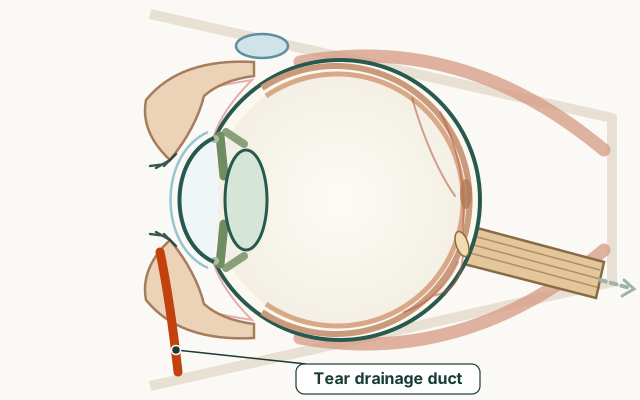
- Part of the eye
- Tear drainage duct
- Common signs
- A watery eye, often with tears running down the cheek
- Sticky discharge or crusting, especially on waking
- Recurrent redness or infection around the eye
- In babies, symptoms often start in the first weeks of life
- Condition group
- Eyelid conditions
- Medical code (ICD-10)
H04.5
What is a blocked tear duct?
Tears normally drain through tiny openings in the eyelids into a duct that opens inside the nose. If this duct is blocked or narrow, tears overflow onto the cheek and the eye may become sticky or repeatedly infected.
Symptoms of a blocked tear duct
Symptoms are usually persistent watering rather than sudden vision loss.
- A watery eye, often with tears running down the cheek
- Sticky discharge or crusting, especially on waking
- Recurrent redness or infection around the eye
- In babies, symptoms often start in the first weeks of life
What causes a blocked tear duct?
In babies the duct is often not fully open at birth. In adults blockage can follow infection, injury, sinus problems, age-related narrowing or, rarely, a tumour, so persistent new watering in one eye in an adult should be assessed.
How is a blocked tear duct treated?
In babies, gentle massage and time help many cases resolve by age one. If not, a probing procedure may be needed. Adults with persistent blockage or repeated infections may need probing, stenting or surgery to restore drainage.
Practical guides
Frequently asked questions
Do blocked tear ducts in babies need surgery?
Most open on their own within the first year. If watering and sticky discharge persist beyond about 12 months, or infections keep returning, a probing procedure may be recommended.
Why is only one eye watery?
A blocked tear duct usually affects one side, causing tears to overflow on that side. Sudden watering in an older adult should be checked to confirm the cause.
Can a blocked tear duct cause infection?
Yes. Stagnant tears can lead to repeated conjunctivitis or dacryocystitis, an infection in the tear sac, which may need antibiotics and sometimes surgery.
Sources for this information
These references support the information on this page. Follow the linked source for its full context.