Blepharospasm (involuntary eyelid spasm)
Medical reviewer Mr Mohamed Mohyudin, Consultant Ophthalmic SurgeonArticle reviewed
About this review
The reviewer checked the version identified in this article’s review record.
Blepharospasm at a glance
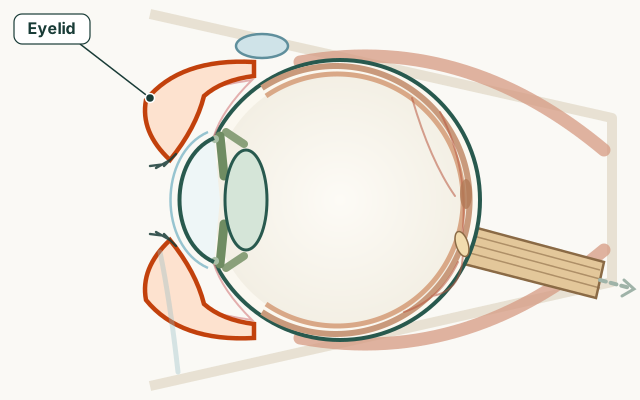
- Part of the eye
- Eyelid
- Common signs
- Frequent, forceful blinking you cannot control
- Eyelids squeezing shut, sometimes for seconds at a time
- Symptoms worse with bright light, stress or tiredness
- Increasing difficulty with reading, driving or watching screens
- Condition group
- Eyelid conditions
- Medical code (ICD-10)
G24.5
What is blepharospasm?
Blepharospasm is a type of focal dystonia where the muscles around the eyes contract uncontrollably. Unlike a brief, minor eyelid twitch, it causes repeated forceful blinking or sustained closure that can, in severe cases, make it hard to keep the eyes open.
Symptoms of blepharospasm
Symptoms usually affect both eyes and build up gradually.
- Frequent, forceful blinking you cannot control
- Eyelids squeezing shut, sometimes for seconds at a time
- Symptoms worse with bright light, stress or tiredness
- Increasing difficulty with reading, driving or watching screens
Causes and triggers of blepharospasm
The exact cause is not fully understood but involves abnormal signals from the part of the brain controlling movement. It is often made worse by bright light, fatigue, stress, and dry eye, which is why treating dry eye can help.
How is blepharospasm treated?
The main treatment is regular botulinum toxin (Botox) injections into the eyelid muscles, which relax the spasms and are repeated every few months. Managing dry eye, using tinted glasses for light sensitivity, and reducing triggers also help, and surgery is reserved for severe cases.
Frequently asked questions
What is the difference between blepharospasm and a normal eye twitch?
A normal eye twitch is brief, harmless and usually affects one lower lid. Blepharospasm causes repeated, forceful closure of both eyes and can interfere with daily activities, often needing treatment.
How is blepharospasm treated?
The main treatment is botulinum toxin (Botox) injections into the eyelid muscles, repeated every few months. Managing dry eye and light sensitivity also helps.
Will blepharospasm go away on its own?
Unlike a minor twitch, blepharospasm is usually a long-term condition. It is well controlled in most people with regular botulinum toxin injections.
Sources for this information
These references support the information on this page. Follow the linked source for its full context.