Leprosy-related eye disease
Medical reviewer Mr Mohamed Mohyudin, Consultant Ophthalmic SurgeonArticle reviewed
About this review
The reviewer checked the version identified in this article’s review record.
Leprosy and the eyes at a glance
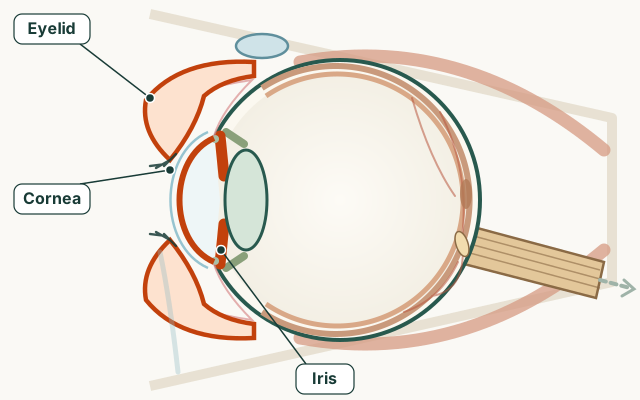
- Part of the eye
- Eyelid, cornea and iris
- Common signs
- Reduced blinking or incomplete eyelid closure
- Dry, gritty or red eyes
- Reduced feeling on the eye surface
- Recurrent corneal ulcers or white scars on the cornea
- Condition group
- Retina and optic nerve
- Medical code (ICD-10)
A30
What is leprosy-related eye disease?
Leprosy is a chronic infection caused by Mycobacterium leprae that mainly affects skin and peripheral nerves. When facial nerves are involved, the eyelids may not close fully (lagophthalmos), tears dry up, and the cornea becomes vulnerable to scratches, infection and scarring.
Eye symptoms to know
Eye involvement may develop quietly as nerve damage progresses.
- Reduced blinking or incomplete eyelid closure
- Dry, gritty or red eyes
- Reduced feeling on the eye surface
- Recurrent corneal ulcers or white scars on the cornea
- Blurred vision if the cornea is damaged
WHO prevention and care
WHO recommends integrating eye assessment into leprosy care: teaching regular lid closure exercises, lubricating drops, sunglasses, and timely surgery for lagophthalmos. Multidrug therapy cures the infection but nerve damage may persist, so eye follow-up continues for life in affected people.
Relevance elsewhere
Leprosy-related eye disease is rare in high-income countries today but remains important in some endemic regions. It illustrates how nerve damage, not just infection, drives preventable blindness — similar principles apply to other causes of exposure keratopathy.
Frequently asked questions
Can leprosy cause blindness?
Yes. Corneal damage from dryness and inability to blink fully is a leading preventable cause of blindness in people affected by leprosy, which is why eye care is part of WHO leprosy programmes.
Is leprosy eye disease contagious?
Leprosy itself is transmitted before treatment in endemic settings, but corneal problems from nerve damage are not spread person to person. Treated leprosy is not contagious.
Can lagophthalmos from leprosy be treated?
Yes. Lubricating drops, taping lids at night, and eyelid surgery to help closure can protect the cornea and prevent further vision loss when done early.
Sources for this information
These references support the information on this page. Follow the linked source for its full context.