Retinal detachment
Medical reviewer Mr Mohamed Mohyudin, Consultant Ophthalmic SurgeonArticle reviewed
About this review
The reviewer checked the version identified in this article’s review record.
Retinal detachment at a glance
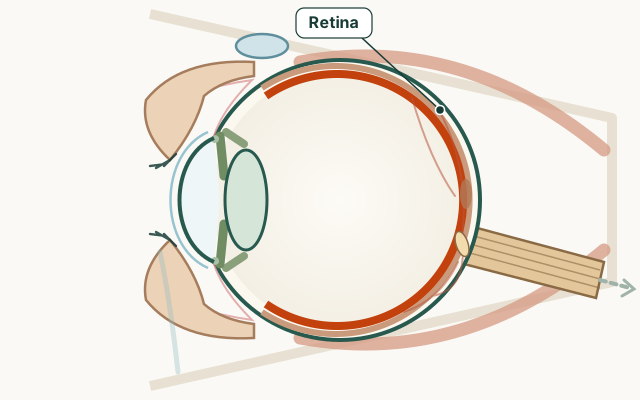
- Part of the eye
- Retina
- Common signs
- A sudden increase in floaters, sometimes like a shower of spots
- Flashes of light in one or both eyes
- A dark shadow or curtain spreading across your vision
- Sudden blurring or loss of part of your vision
- Treatment options
- Condition group
- Retina and optic nerve
- Medical code (ICD-10)
H33
What is retinal detachment?
The retina is the light-sensitive layer lining the back of the eye. In a retinal detachment it lifts away from the underlying tissue and loses its blood and oxygen supply. Without prompt treatment the affected area stops working, which can lead to permanent loss of vision.
Warning signs of retinal detachment
Retinal detachment is usually painless, so the visual warning signs are what matter most.
- A sudden increase in floaters, sometimes like a shower of spots
- Flashes of light in one or both eyes
- A dark shadow or curtain spreading across your vision
- Sudden blurring or loss of part of your vision
What causes retinal detachment, and who is at risk?
It often follows age-related changes in the vitreous gel that tug a tear in the retina. Risk is higher if you are very short-sighted, have had a previous detachment or eye surgery such as cataract surgery, have had a serious eye injury, or have a family history.
When to seek urgent care and treatment
Treat the warning signs as an emergency and seek same-day assessment, as early treatment gives the best chance of saving sight. Retinal detachment is treated with surgery, and a retinal tear caught early may be sealed with laser or freezing treatment before it progresses.
Treatments & Surgery
Frequently asked questions
Is retinal detachment an emergency?
Yes. It is a medical emergency. Sudden flashes, many new floaters, or a shadow over your vision need same-day eye assessment, as quick treatment offers the best chance of protecting sight.
Can retinal detachment be fixed?
It is usually treated with surgery, which is more likely to succeed when done early. The outcome depends on how much of the retina detached and whether the central vision was affected.
Does retinal detachment hurt?
No, it is usually painless. Because there is no pain, the visual warning signs such as flashes, floaters, and a shadow are the key reasons to seek urgent care.
Sources for this information
These references support the information on this page. Follow the linked source for its full context.