Ocular melanoma (eye cancer)
Medical reviewer Mr Mohamed Mohyudin, Consultant Ophthalmic SurgeonArticle reviewed
About this review
The reviewer checked the version identified in this article’s review record.
Eye cancer (ocular melanoma) at a glance
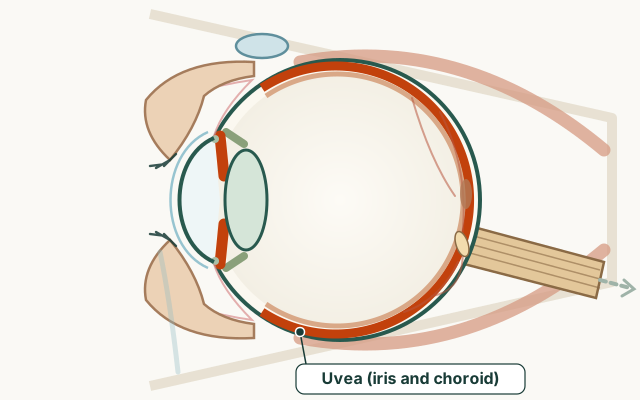
- Part of the eye
- Uvea (iris and choroid)
- Common signs
- Blurred vision or a dark spot in vision
- A visible dark patch on the iris or white of the eye
- Flashing lights or floaters
- Sometimes no symptoms at all
- Condition group
- Retina and optic nerve
- Medical code (ICD-10)
C69
What is ocular melanoma (eye cancer)?
Ocular melanoma is the most common primary eye cancer in adults, though it is still rare. It develops in melanocytes, the pigment cells of the eye, rather than spreading from skin melanoma, though the two can be related genetically.
Possible symptoms
Many cases are found during routine eye tests before symptoms appear.
- Blurred vision or a dark spot in vision
- A visible dark patch on the iris or white of the eye
- Flashing lights or floaters
- Sometimes no symptoms at all
Detection
Eye specialists examine the inside of the eye and may use ultrasound or imaging to assess suspicious lesions. A pigmented freckle (nevus) in the eye is usually harmless but may be monitored for change.
Treatment and outlook for ocular melanoma
Treatment depends on size and location and may include plaque radiotherapy, proton beam therapy, laser, or in some cases removal of the eye to protect life. Early diagnosis and specialist care improve the chance of preserving vision and health.
Frequently asked questions
Is ocular melanoma the same as skin melanoma?
No. Ocular melanoma starts in the eye's pigment cells. It is a separate rare cancer, though some genetic risks may overlap with skin melanoma.
What are the signs of eye cancer?
Signs can include blurred vision, a dark spot in vision, or a visible lesion on the eye, but many cases have no early symptoms and are found at routine eye examinations.
How is ocular melanoma treated?
Treatment is specialist-led and may include radiation, laser, or surgery. The aim is to control the cancer while preserving vision when safely possible.
Sources for this information
These references support the information on this page. Follow the linked source for its full context.